Yonghe Temple Audio Guide
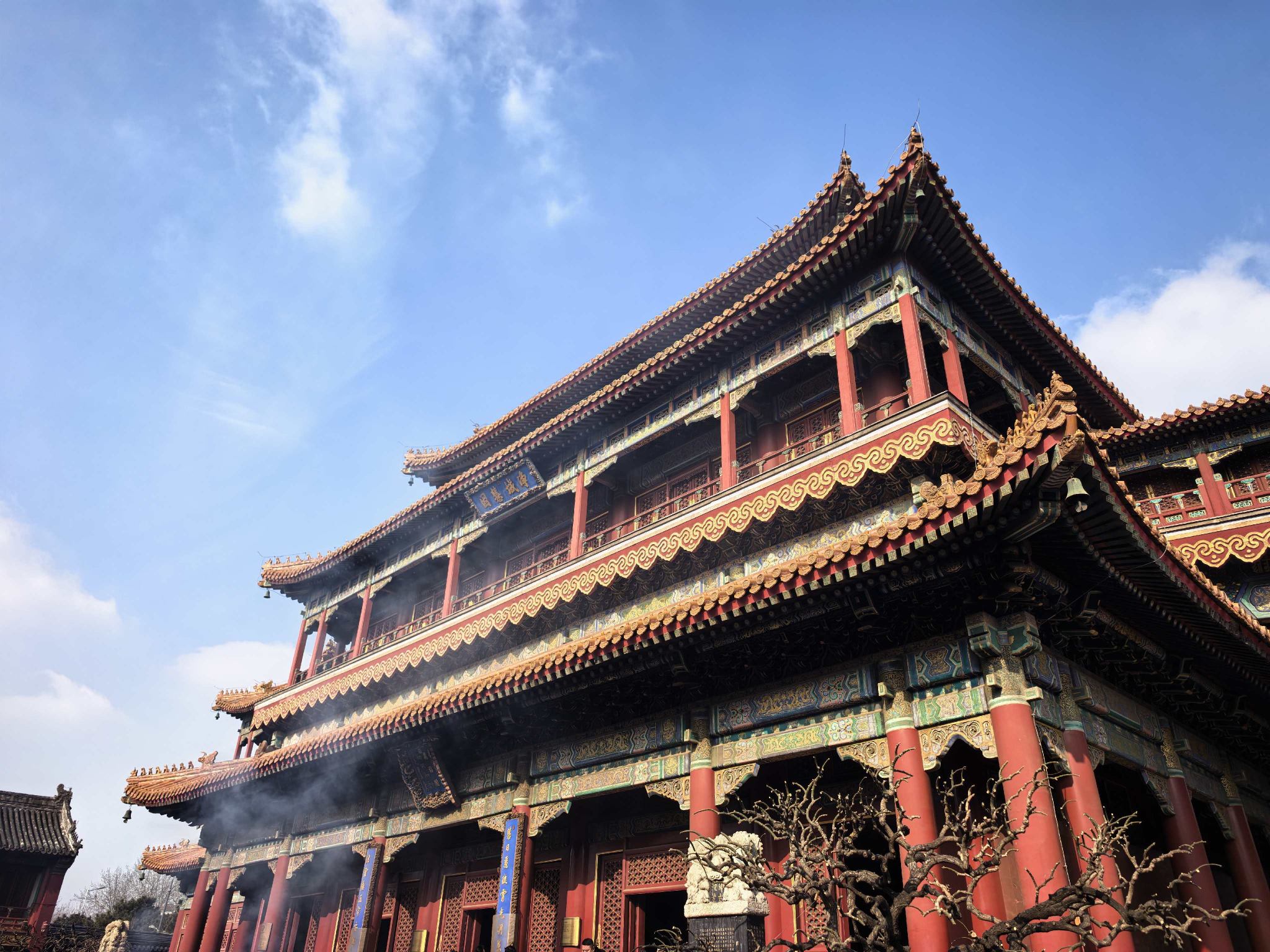
Welcome to Yonghe Temple
Yonghe Temple, founded in 1694 during the Kangxi Emperor's reign, is Beijing's largest Tibetan Buddhist temple and a national key cultural relics protection unit. Originally the residence of the Kangxi Emperor's fourth son, Yinzhen (later the Yongzheng Emperor), it was converted into a palace after Yongzheng ascended the throne, and then into a lamasery in 1744 during the Qianlong Emperor's reign, becoming the center for managing Tibetan Buddhist affairs in China.
Yonghe Temple Audio Guide
1. Welcome
2. Paifang Courtyard
3. Imperial Path
4. Ajia Warehouse
5. Zhaotai Gate
6. Drum Tower
7. Bell Tower
8. Heavenly Kings Hall
9. Four-Language Stele Pavilion
10. Scripture Hall
11. Esoteric Buddhism Hall
12. Sumeru Mountain
13. Yonghe Palace Hall
14. Medicine Buddha Hall
15. Kalachakra Hall
16. Yongyou Hall
17. East and West Side Halls
18. Dharma Wheel Hall
19. Ordination Platform Building
20. Panchen Lama Building
21. Zhaofo Building
22. Wanfu Pavilion
23. Guanyin Cave
24. Suicheng Building
25. Yongkang Pavilion
Scenic Area Map
Featured Attractions
Yonghe Gate Hall
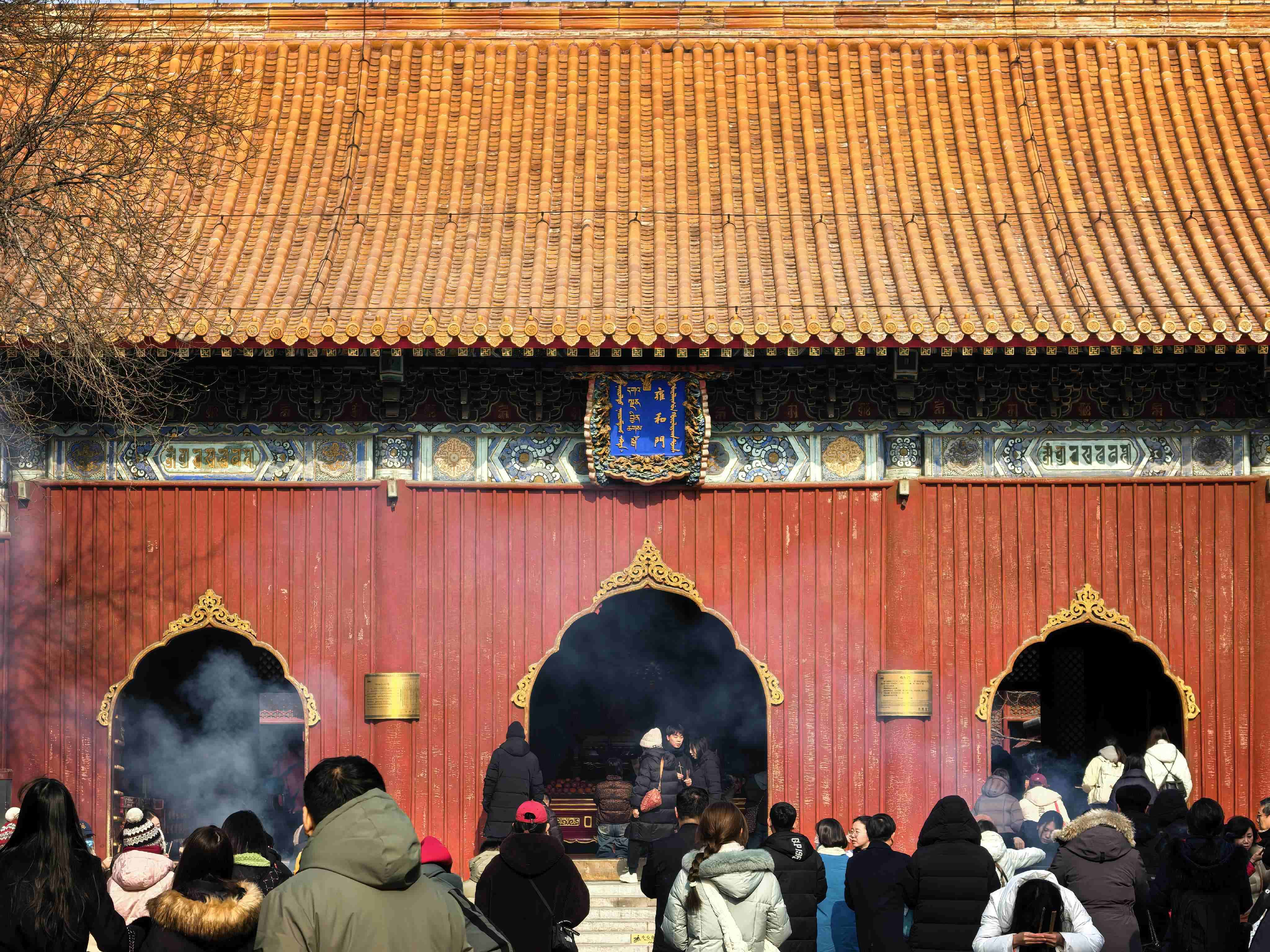
Yonghe Gate Hall is the main entrance to Yonghe Temple. Originally the main gate of Prince Yong's residence, it was converted into the palace gate after Yongzheng ascended the throne, known as Yonghe Gate. After Yonghe Temple was converted into a lamasery in 1744, it became the main gate of the temple, the first gate to enter Yonghe Temple.
Yonghe Palace Hall
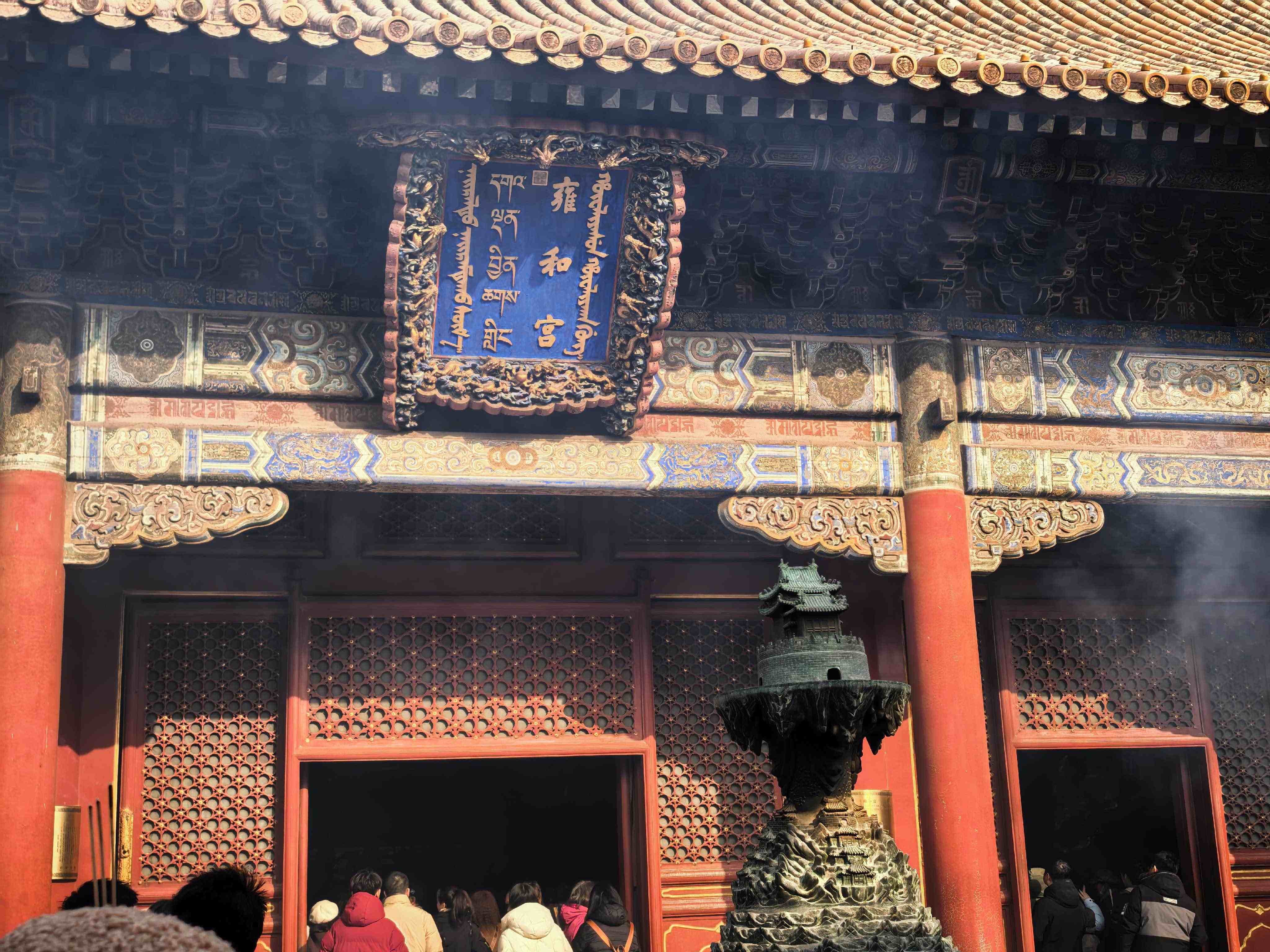
Yonghe Palace Hall is the main hall of Yonghe Temple. Originally the Silver Peace Hall of Prince Yong, it was converted into the main hall of the palace after Yongzheng ascended the throne, known as Yonghe Palace. After Yonghe Temple was converted into a lamasery in 1744, it became the place for holding major religious activities.
Dharma Wheel Hall
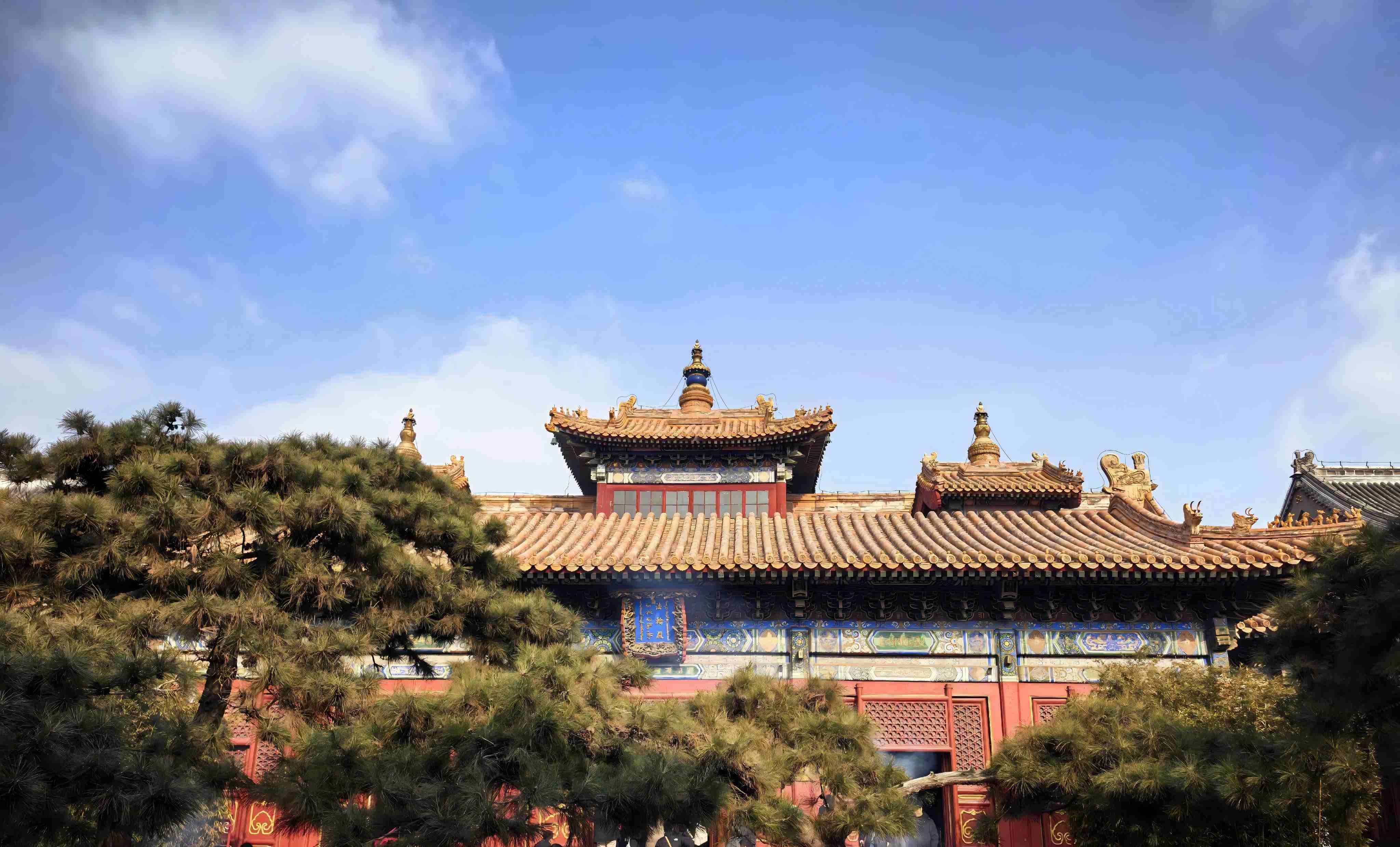
Dharma Wheel Hall is one of the important buildings of Yonghe Temple, where lamas hold religious ceremonies and preach. The hall enshrines a bronze statue of Master Tsongkhapa, 6.1 meters high, one of the largest bronze statues in Yonghe Temple. The hall roof has five small pagodas, symbolizing the five main deities of the Gelug sect of Tibetan Buddhism.
Wanfu Pavilion
Wanfu Pavilion is the tallest building in Yonghe Temple, 30 meters high, with three tiers of eaves, yellow tiles and red walls, magnificent in momentum. The pavilion enshrines an 18-meter-high statue of Maitreya Buddha, carved from a single piece of white sandalwood, one of the largest wooden Buddha statues in China.
Visitor Information
- Opening Hours: Winter (Nov 1 - Mar 31) 9:00-16:00; Summer (Apr 1 - Oct 31) 9:00-16:30 (subject to official announcement)
- Recommended Visit Time: 2-3 hours
- Notes: Please keep quiet when entering the temple, respect religious beliefs, do not make loud noises; do not touch or climb cultural relics; do not smoke or eat in the temple; do not use flash photography
Transportation
- Subway: Take Line 2 or Line 5 and get off at Yonghegong Station, exit from C or F.
- Bus: Take bus routes 13, 18, 44, 62, 116, 117, Special 12, Special 2 and get off at Yonghegong Bridge East Station or Yonghegong Station.
- Self-driving: There are multiple parking lots around Yonghe Temple, but parking spaces are tight during peak hours. Public transportation is recommended.
Recommended Routes
- Classic Route (2 hours): Paifang Courtyard → Imperial Path → Zhaotai Gate → Heavenly Kings Hall → Four-Language Stele Pavilion → Yonghe Palace Hall → Yongyou Hall → Dharma Wheel Hall → Wanfu Pavilion → Suicheng Building
- In-depth Route (3 hours): Paifang Courtyard → Imperial Path → Ajia Warehouse → Zhaotai Gate → Drum Tower → Bell Tower → Heavenly Kings Hall → Four-Language Stele Pavilion → Scripture Hall → Esoteric Buddhism Hall → Sumeru Mountain → Yonghe Palace Hall → Medicine Buddha Hall → Mathematics Hall → Yongyou Hall → East Side Hall → West Side Hall → Dharma Wheel Hall → Ordination Platform Building → Panchen Lama Building → Zhaofo Building → Wanfu Pavilion → Guanyin Cave → Suicheng Building → Yongkang Pavilion